Are Monks Celibate? The Answer by Tradition
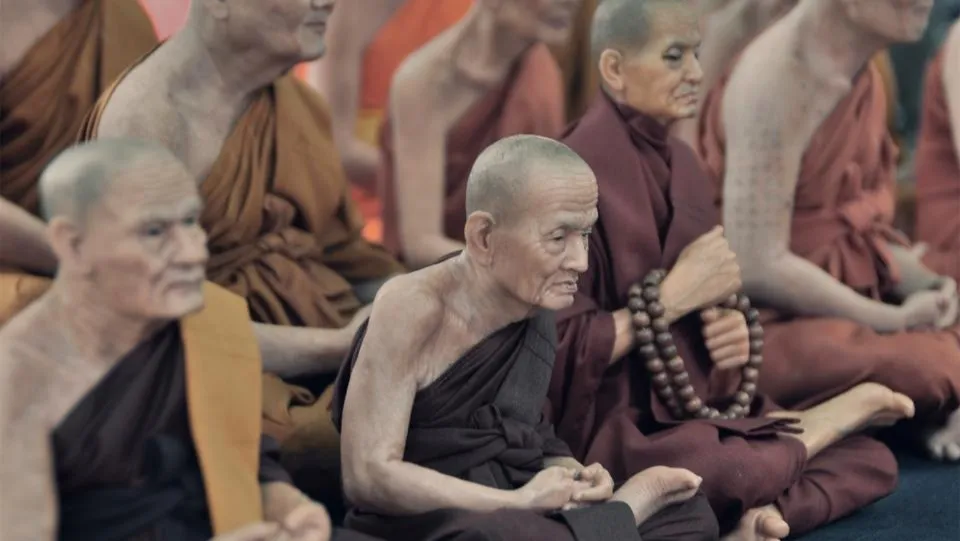
The Answer by Tradition
Most monks are celibate, but not all. In nearly every tradition that has monks, celibacy is part of what makes someone a monk rather than a lay believer. The exceptions are specific and well known, and Japan is the big one.
| Tradition | Are monks celibate? | Notes |
|---|---|---|
| Theravada Buddhism (Thailand, Sri Lanka, Myanmar) | Yes | Sexual intercourse means expulsion from the order |
| Tibetan Buddhism | Monks yes | Some lineages also have married lay practitioners |
| Japanese Buddhism | Mostly no | Priests commonly marry, legal since 1872 |
| Chinese, Korean, Vietnamese Buddhism | Yes, largely | Korea also has a married order |
| Catholic monks and nuns | Yes | Vow of chastity |
| Eastern Orthodox monks | Yes | Bishops are chosen from monastics |
| Anglican religious orders | Yes | Small but active communities |
| Hindu sannyasis and monastic orders | Yes | Renunciation includes celibacy |
| Jain monks and nuns | Yes | One of the five great vows |
Buddhism
Theravada
The Theravada monastic code, the Vinaya, lists four parajika offences, the gravest category. The first is sexual intercourse. A monk who commits it is considered to have expelled himself and can no longer be part of the community of monks.
The rule goes further than intercourse. Many lesser rules govern contact, being alone with women, and conduct that could lead toward breaking the main rule. Celibacy here is not a private intention. It is a structure built into daily life.
Leaving is allowed. A monk who no longer wants to keep the rule can disrobe and return to lay life without disgrace. In Thailand, temporary ordination is common: many men ordain for a few weeks or months, often once in their lives, keeping the full rule including celibacy while robed.
Tibetan
Ordained Tibetan monks and nuns keep vows of celibacy. Tibetan Buddhism, particularly the Nyingma school, also has a tradition of lay tantric practitioners who may marry and have families. They are religious specialists, but they are not monks.
Japan
Japan is where the general answer breaks down.
Shinran, founder of the Jodo Shinshu school in the 13th century, married openly and described himself as "neither monk nor layman." For centuries Jodo Shinshu clergy were unusual in marrying. Then in 1872 the Meiji government decriminalised clerical marriage and meat eating for all Buddhist clergy. Despite opposition from the leadership of most other schools, the practice spread.
Today most Japanese temple priests marry, and temples are often passed from father to son. Strict celibate monastic training does still exist, particularly in some Zen monasteries, but it is usually a stage rather than a lifelong state.
Christianity
Catholic monks and nuns
Members of Catholic religious orders, whether monks such as Benedictines and Trappists, friars such as Franciscans and Dominicans, or sisters, take vows of poverty, chastity and obedience. For them the vow of chastity includes celibacy. After temporary vows they make perpetual vows, and many sisters receive a ring at that point.
This is separate from the celibacy of diocesan priests, who are not monks and who make a promise rather than a vow. The difference is explained in vow of celibacy.
Eastern Orthodox
Orthodox monks and nuns are celibate. Parish priests may be married, as long as they married before ordination. Bishops are chosen from among the monastics, which means monasteries effectively supply the church's leadership. Mount Athos in Greece, home to some twenty monasteries, remains the best known center of Orthodox monastic life.
Protestant and Anglican
Most Protestant traditions closed their monasteries at the Reformation and rejected compulsory celibacy. Anglicans revived religious orders in the 19th century, and small communities of celibate monks and nuns continue today.
Hinduism and Jainism
In Hinduism, sannyasa is the stage of renunciation, and sannyasis give up family life, property and sexual activity. Many Hindu monastic orders require lifelong celibacy. The broader discipline is brahmacharya, which also names the traditional celibate student stage of life.
In Jainism, monks and nuns take five great vows, and brahmacharya, complete celibacy, is one of them. It is lifelong. Jain monastic life is among the most austere of any tradition.
Why Monastic Traditions Require It
The reasons given differ by tradition, but four come up repeatedly.
| Reason | What the traditions say |
|---|---|
| Attention | Desire and family life pull attention away from practice, prayer or study |
| Freedom from attachment | Craving is the problem Buddhist practice aims to end, and sexual desire is one of its strongest forms |
| Availability | A monk without a family can serve the community, move, or live by a strict schedule |
| Symbolism | Undivided devotion to God, or a complete break from ordinary life |
Notice that none of these reasons are about health. Monastic celibacy is a structural choice that makes a particular way of life possible. That is a useful distinction for anyone borrowing the idea.
What Monk Mode Borrows, and What It Does Not
"Monk mode" is a modern secular practice: a set period, often 30 to 90 days, of cutting out distractions, including sex, to focus on work, training or study. The full protocol is in monk mode: the 30, 60 and 90 day protocol.
| Monastic celibacy | Monk mode | |
|---|---|---|
| Length | Usually lifelong | Weeks to months |
| Framework | Vows, rules, community | Personal rules |
| Purpose | Spiritual practice | Focus and self-improvement |
| Support | A whole community keeping it together | Usually you alone |
| What happens on a slip | Defined process within the tradition | Up to you |
The lesson worth taking from real monasteries is not the robes. It is the structure: clear rules, a fixed schedule, removal of temptation from the environment, and other people keeping the commitment with you. Monks do not rely on willpower alone, and neither should you. The secular version of making a commitment that holds is covered in celibacy vs abstinence.
FAQ
Are all monks celibate?
No. Most are, including Theravada and Tibetan Buddhist monks, Catholic and Orthodox monks, Hindu sannyasis and Jain monks. The main exception is Japan, where most Buddhist priests marry.
Are Buddhist monks celibate?
In Theravada, Tibetan, Chinese and most other traditions, ordained monks are celibate, and sexual intercourse means expulsion from the order. Japanese Buddhist priests usually marry, following a practice legalised in 1872.
Can a monk leave and get married?
In Buddhism, yes: a monk can disrobe and return to lay life. Temporary ordination is common in Thailand. Catholic religious can be dispensed from their vows through the Church.
Are Shaolin monks celibate?
Ordained Shaolin monks, like other Chinese Buddhist monastics, are expected to be celibate. Many people associated with Shaolin martial arts are lay disciples rather than ordained monks, and they are not bound by monastic vows.
Why do monks practice celibacy?
To keep attention on practice, to reduce attachment and craving, to be free to serve the community, and as a sign of undivided devotion. The reasons are spiritual and structural rather than health related.
Are nuns celibate too?
Yes. Buddhist, Catholic, Orthodox, Hindu and Jain nuns keep the same celibacy as monks in their tradition.
Ready to Start Your Journey?
Download Celibacy Tracker and start monitoring your progress today.