The Chaser Effect: Why One Relapse Becomes Three

What the Chaser Effect Is
The chaser effect is the 24 to 72 hour window after a NoFap relapse when urges come back stronger than they were before the streak started. Most relapses are not isolated. They come in clusters of two, three, sometimes five sessions inside two days. The first relapse is the slip. The chaser is what turns it into a binge.
Almost everyone running a serious streak experiences this. The danger is not the first relapse. It is what people do in the 72 hours after it, when they are convinced "the streak is already broken so it does not matter." That sentence is what costs people their progress. Day 1 after a single relapse is recoverable. Day 1 after a three day binge is a different place entirely.
What Is Actually Happening in Your Brain
The chaser is not a moral failure. It is a predictable neurochemical reaction. Understanding the mechanism is what makes it possible to break.
When you relapse after a long streak, your brain receives a massive dopamine spike. Your D2 receptors, the ones that had been quietly rebuilding during the streak, get hammered with a level of stimulation they have not seen in weeks. The brain reads this as: this behavior produces a huge reward, do it again.
For the next 24 to 72 hours, three things happen:
- Dopamine drops below baseline. After the spike, you crash. The crash is uncomfortable. The brain remembers what produced the spike and pushes you back toward it.
- Receptor sensitivity is temporarily up. The progress you made during the streak made you more reactive to stimulation, not less. The first hit lands harder.
- The habit loop reactivates. The basal ganglia, which had been quieting down, fires the old "go get it" signal as soon as the trigger appears.
In simpler terms: your brain just got a hit of something it had been told was no longer available, and now it wants the next hit, faster than before. This is the same mechanism that drives the relapse cascade in alcohol and drug recovery. It is well documented and it has a fix.
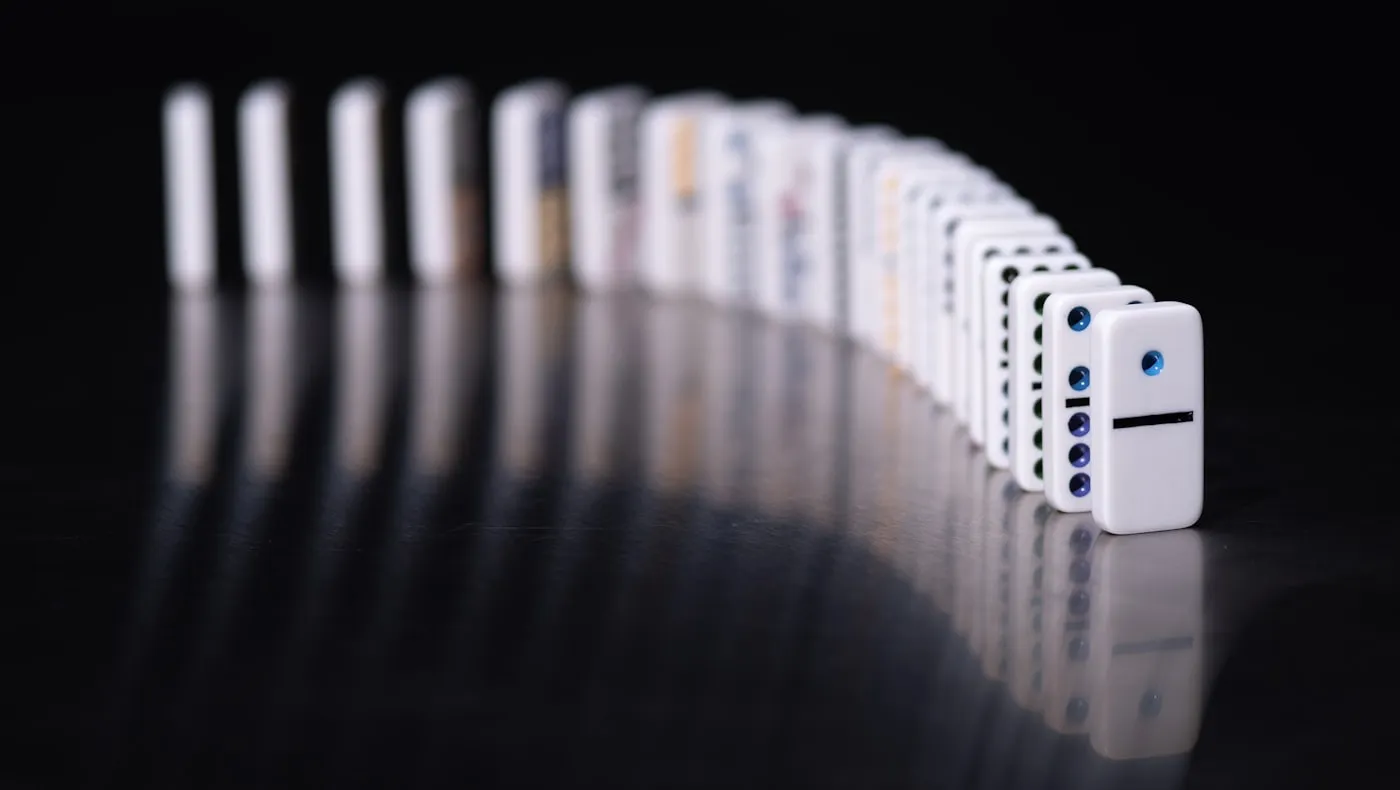
The Timeline of a Typical Chaser Cascade
This is what happens to most people who lose their grip after a relapse and do not have a plan:
| Window | What happens | Risk level |
|---|---|---|
| 0 to 2 hours after relapse | Refractory period, low urge, mild shame | Low |
| 2 to 12 hours | Urge starts climbing, rationalizations begin | Medium |
| 12 to 24 hours | Second relapse, usually heavier than the first | High |
| 24 to 48 hours | Third or fourth relapse, full binge mode | Very high |
| 48 to 72 hours | Exhaustion, deep crash, shame spiral | High |
| 72 to 96 hours | Window opens to restart cleanly | Recovery |
Most people who break a streak do not lose 1 day, they lose 4 to 7 days. The first relapse is one session. The next 72 hours is where the actual damage compounds. The math is unforgiving: a single session loses you a day of progress. A three day binge can wipe out the receptor adaptations of the previous month.
Why Willpower Alone Fails Here
The standard advice after a relapse is some version of "just get back on the horse." For the chaser window specifically, that advice is wrong, and it is wrong for a measurable reason.
Willpower is a prefrontal cortex function. The chaser window is when the prefrontal cortex has the least authority over the rest of the brain, because the basal ganglia and the dopamine system are in a high activation state. Asking willpower to override that is like asking a referee to stop a brawl by raising his hand.
What works in the chaser window is not more willpower. It is environmental control plus behavioral redirection. You do not try to beat the urge. You make it impossible to act on, and you put something else in the time slot where the relapse would have happened.
The 72 Hour Chaser Protocol
This is what to do in the three days after a relapse to stop the cascade. Treat it like a fire drill, not a meditation.
Hour 0 to 6: Stop the bleeding immediately
The window right after the relapse is the only quiet moment you will get. Use it.
- Get your phone out of arm's reach. Charge it in another room. Most chasers start with picking up the phone "just to check something."
- Change your location. If you relapsed at home, go outside. Walk for 30 minutes minimum. Physical movement plus environment change interrupts the loop.
- Tell one person. A friend, partner, accountability buddy. Not for sympathy, for the simple act of saying it out loud. Shame breeds in silence. Speaking it kills 60% of its grip.
- Eat real food and drink water. A relapse during stress, hunger, or fatigue is far more likely to chain. Fixing the body weakens the chaser.
Hour 6 to 24: Block the obvious
The first 24 hours is when most people sleepwalk into the second relapse. Pre commit to the blocks now while the prefrontal cortex still has some voltage.
- Cold shower in the morning. Triggers a noradrenaline spike that competes with the dopamine seeking signal.
- Train hard. A 45 minute resistance workout or a long run is the cheapest dopamine you have and it suppresses the chaser for hours after.
- Set up a content blocker if you do not already have one. Cold Turkey, BlockerX, ScreenZen. The shame of installing it after the fact is small. The cost of not installing it is days of life.
- Phone goes in the kitchen at night. No exceptions for 72 hours.
Hour 24 to 72: Hold the line
This is where the cascade kills most streaks. The urge will not be constant. It will come in waves, often around the same times of day you used to relapse (late night, post work, weekends). The waves are predictable. Plan around them.
- Anchor the dangerous hours. If you usually relapse at 11pm, be in bed by 10:30 with a book and the phone in the kitchen. If it is Sunday afternoon, have a long walk or training session booked.
- Skip alcohol. Alcohol lowers prefrontal cortex activity, which is exactly the wrong direction. One drink in this window doubles your chance of relapsing.
- Skip dating apps and social media. Both deliver micro shots of the same dopamine system that is currently dysregulated.
- Reset the streak counter at hour 72, not hour 1. Some practitioners reset immediately after any session. Others give themselves a 72 hour grace period to recover before resetting. Either is defensible, but the more important thing is breaking the chaser.
For a longer term framework on coming back from a slip, see the NoFap relapse recovery guide.
Common Chaser Triggers That Catch People
These are the situations that produce most chaser cascades. If you know them, you can route around them.
| Trigger | Why it activates the chaser |
|---|---|
| "Just checking" social media after the first relapse | Algorithm picks up the search signal and serves more triggering content |
| Drinking alone the night of a relapse | Disinhibition plus dopamine seeking is a near guaranteed second session |
| Sleeping in the next morning | Long unstructured mornings give the brain time to negotiate with itself |
| Dating app browsing as a "harmless" outlet | Same dopamine system, keeps the loop warm |
| Telling yourself the streak does not matter | Removes the only structure holding the loop closed |
| Spending the day alone with no plans | Boredom plus residual cravings reliably produces relapse 3 |
When the Chaser Actually Ends
For most people the acute window is 72 hours. By hour 72 the dopamine system has reabsorbed enough to return to something close to baseline, the urge waves drop in frequency, and the prefrontal cortex regains authority.
The deeper recovery, where you stop carrying around the residual emotional weight of the slip, usually takes 7 to 14 days of clean streaking. By day 14 the relapse is a data point, not a story you are still telling yourself.
A second observation worth knowing: people who have run a long streak before, relapsed, and come back, almost always rebuild faster the second time. The receptor adaptations from the first streak do not fully reset in one binge. You are not starting from zero. You are starting from a higher floor than the original day 1.
What to Take From a Relapse
A relapse without analysis is wasted pain. After the chaser window closes, spend 15 minutes writing down three things:
- What was the actual trigger. Not "I was horny." That is the surface. Dig down. Was it loneliness, exhaustion, boredom, stress, alcohol, a specific app, a specific time of day, a specific physical state?
- What environmental change closes that loop. If the trigger was late night phone use, the phone leaves the bedroom permanently. If it was alcohol, alcohol gets cut for the next streak. The fix is structural, not motivational.
- What is the next streak going to look different. One concrete change. Not five. One.
The guys who get out of the relapse cycle for good are not the ones with more willpower. They are the ones who treat each slip as information and act on it within a week. Each relapse, the trigger surface shrinks. By the third or fourth streak, the original triggers are simply not in the environment anymore.
Frequently Asked Questions
How long does the chaser effect last?
Acute window is 24 to 72 hours. Residual increased reactivity can stretch to about a week. After 7 days clean, urges return to typical streak levels.
Does the chaser get worse on longer streaks?
Yes, in the sense that the dopamine spike from a relapse after a long streak is larger, which makes the post crash more uncomfortable. The chaser feels more intense after day 30 than after day 7. This is normal and predictable.
Should I count the relapse as day 1 immediately?
There is no universal answer. Some communities reset the count at the first session. Others use the 72 hour grace window. The more important question is whether you stop the cascade. Counting matters less than behavior.
Can the chaser happen without a full relapse?
Yes. Edging, voyeurism, or even heavy social media use after a clean streak can produce a mild chaser. Any major dopamine spike to the addiction circuit can wake it up.
Is the chaser effect the same as the abstinence violation effect?
They overlap. Abstinence violation effect is the cognitive part ("I broke the streak so the streak is meaningless"). The chaser includes that plus the neurochemical drive. The fix is the same: treat the slip as a single event, not a license.
The Bottom Line
Most NoFap progress is not lost in the first relapse. It is lost in the 72 hours after. The chaser effect is real, it is neurochemical, and it is predictable. Once you know what it is, you can plan around it.
If you only remember one thing from this guide: the first relapse is one day. The chaser window is where you can lose a week. Survive 72 hours and the next streak rebuilds from a higher floor than the last one started on.
Free on iOS and Android.
Ready to Start Your Journey?
Download Celibacy Tracker and start monitoring your progress today.